

How corporate treasurers should manage currency fluctuation risks
by Kylene Casanova
According to a new survey of global corporations by Deloitte, over half (56%) of respondents reported that being able to forecast and quantify exposures is the biggest challenge in managing FX risk.
Deloitte surveyed 133 global corporations on the challenges of managing currency risk effectively in the 2016 Global Foreign Exchange (FX) Survey. Key findings included:
- sources of hedging ineffectiveness:
- more than a third of respondents feel that the Board and executives do not receive sufficient information on FX exposure and risk management
- only 41 percent report tracking impact on gross margin and other profitability measures such as earnings per share (EPS) impact
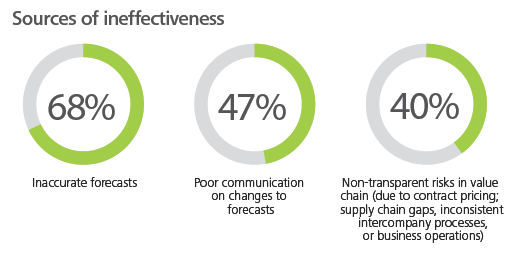
- nearly a quarter of respondents do not monitor whether their FX risk management activities achieve the defined objectives. Contributing to the challenge of identifying FX exposures is the lack of automation with 62 percent of survey respondents indicating that they use manual forecasts.
Another important finding was that most hedging objectives focus on reducing income statement volatility;

- Low on treasurers’ objectives list appears to be protecting balance sheet or net equity translation impacts.
Deloittes conclusions
- Karlien Porré, Partner in Deloitte’s Global Treasury Advisory Services
- “If you can’t see it, you can’t manage it. Without accurate measurement, value erosion from negative currency rate movements can’t be anticipated or prevented. As companies become ever more international, and a period of relative calm in the FX markets has turned unsettled, this is likely to have an even greater impact. Indeed the current volatility of Sterling highlights this.
- there is a tendency to focus what exposure risk information there is on just the ‘here and now’, rather than using it to shape year on year performance. Only 11 percent of our respondents cited managing year on year financial performance as a primary hedging objective.”
- Niklas Bergentoft, Principal in Global Treasury Advisory Services for Deloitte Advisory:
- chances are you are going to hedge less if you don’t believe the forecasts. The survey findings show a direct correlation between levels of automation and confidence in these forecasts. Manual information and processes cause late and unreliable forecasts.
- corporate treasurers need to share these challenges with executives and global teams, along with a recommendation for investment in the tools and technology to alleviate the problem
- conversely Boards should push back on treasurers for greater visibility into stress tests, better staple reporting and more complex analysis
- companies could be taking a hit now by not supporting the need for treasury’s roles to change.”
Like this item? Get our Weekly Update newsletter. Subscribe today